


Is It Aging or Arthritis? Spotting Early Joint Stiffness in Spring, TX Senior Dogs
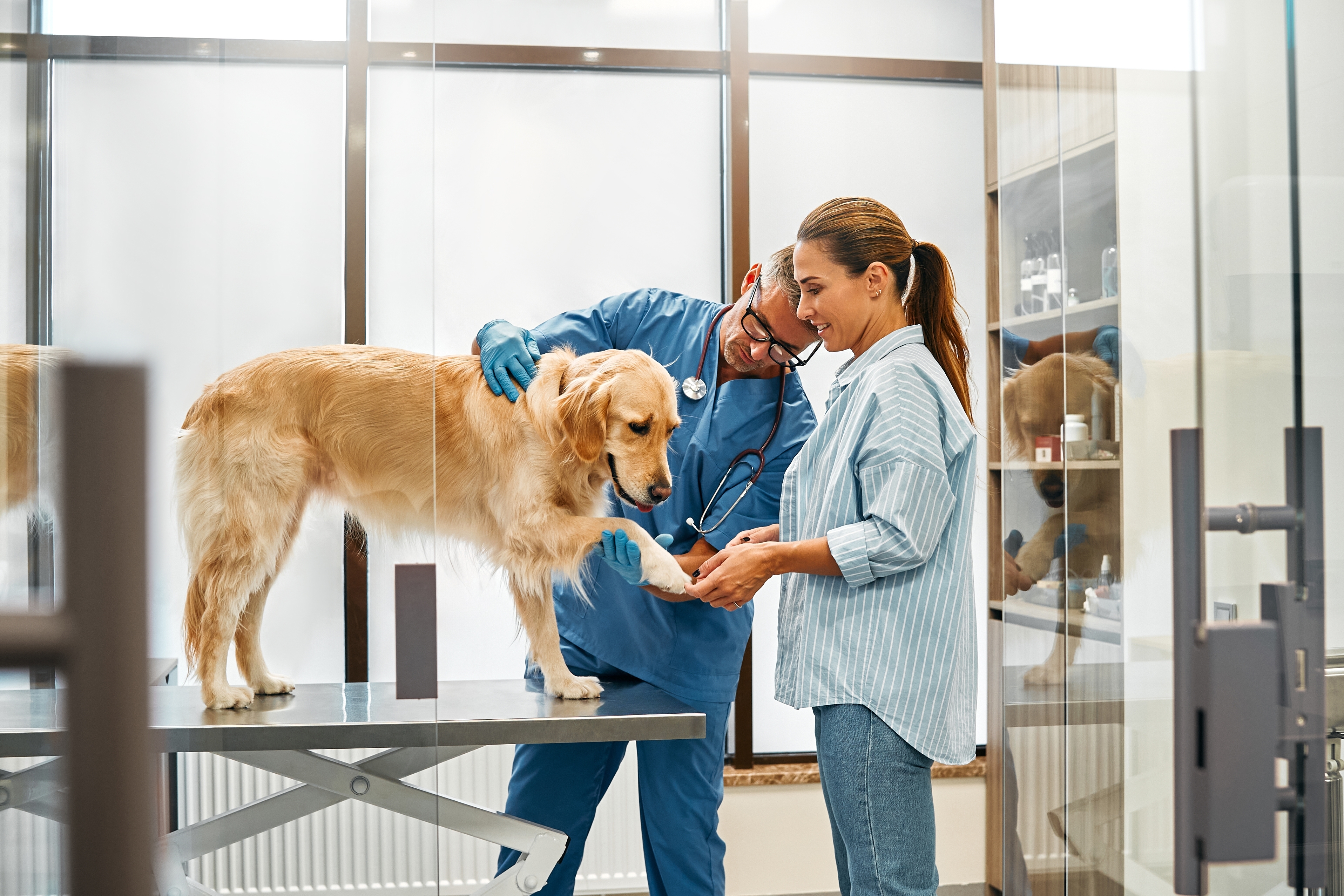
As dogs get older, it's natural for their energy levels and activity preferences to change. However, slowing down, struggling to stand, or avoiding favorite activities may indicate more than normal aging. Arthritis is a common cause of joint stiffness and discomfort in senior dogs, and early detection can make a meaningful difference in their quality of life. At Springwood Veterinary Hospital in Spring, TX, we help pet owners recognize signs of joint problems and find ways to keep their aging companions comfortable.
Is It Normal Aging or Canine Arthritis?
While senior dogs may become less active as they age, persistent stiffness and difficulty moving should not be dismissed as normal. Canine arthritis, also called osteoarthritis, is a degenerative joint condition that causes inflammation, pain, and reduced mobility. It develops as joint cartilage deteriorates over time, affecting how smoothly the joints move.
Arthritis commonly affects the hips, knees, elbows, and spine. Dogs with previous joint injuries, excess weight, or certain inherited orthopedic conditions may face a higher risk.
Early Signs of Arthritis in Senior Dogs
Arthritis symptoms often develop gradually, making them easy to overlook. Watch for these common warning signs:
• Difficulty Standing Up: Your dog struggles to rise after sleeping or resting.
• Reluctance to Climb Stairs: Previously easy activities become challenging.
• Stiffness After Resting: Your dog moves slowly at first but appears more comfortable after gentle movement.
• Reduced Interest in Exercise: Walks become shorter, or your dog avoids running and playing.
• Changes in Behavior: Increased irritability, restlessness, or sensitivity when touched may indicate discomfort.
Even subtle changes in movement can signal joint pain. If these symptoms become frequent, a veterinary evaluation can help identify the cause.
How Veterinarians Diagnose Arthritis in Dogs
At Springwood Veterinary Hospital, we begin by reviewing your dog's medical history, mobility changes, and daily activities. During a physical examination, we assess joint movement, muscle condition, and potential areas of discomfort. Depending on our findings, we may recommend X-rays or other diagnostic testing to evaluate joint changes and rule out additional conditions. An accurate diagnosis helps us develop a treatment plan suited to your dog's needs.
Helping Your Senior Dog Stay Comfortable
Although arthritis cannot be cured, appropriate treatment can help manage discomfort and support mobility. Weight management is particularly important because excess weight increases stress on painful joints. Gentle, consistent exercise can also help maintain muscle strength without overworking affected joints.
We may recommend veterinarian-prescribed pain management, rehabilitation options, or nutritional support based on your dog's condition. Never give your dog human pain medications without veterinary guidance, as some can be dangerous. At home, supportive bedding, nonslip flooring, and ramps can make everyday movement easier.
When Should You Schedule a Senior Dog Arthritis Exam?
If your dog regularly struggles to stand, hesitates before jumping, or develops a noticeable change in mobility, schedule a veterinary examination. Sudden severe pain or an inability to bear weight requires urgent attention. Early intervention can help manage arthritis symptoms before mobility becomes significantly limited.
If your senior dog is showing signs of joint stiffness or discomfort, schedule an evaluation with Springwood Veterinary Hospital to discuss treatment options that can help your dog stay active and comfortable. Visit our office in Spring, Texas, or call (832) 510-6865 today.


Hours
Monday 8:00 am - 8:00 pm
Tuesday 8:00 am - 8:00 pm
Wednesday 8:00 am - 8:00 pm
Thursday 8:00 am - 8:00 pm
Friday 8:00 am - 8:00 pm
Saturday 8:00 am - 8:00 pm
Sunday Closed
*Closed for lunch daily 1pm - 2pm
Monday 8:00 am - 8:00 pm
Tuesday 8:00 am - 8:00 pm
Wednesday 8:00 am - 8:00 pm
Thursday 8:00 am - 8:00 pm
Friday 8:00 am - 8:00 pm
Saturday 8:00 am - 8:00 pm
Sunday Closed
*Closed for lunch daily 1pm - 2pm
Holiday Hours
January 1st: CLOSED
July 4th: CLOSED
Thanksgiving Day: CLOSED
December 24th: CLOSED
December 25th: CLOSED
January 1st: CLOSED
July 4th: CLOSED
Thanksgiving Day: CLOSED
December 24th: CLOSED
December 25th: CLOSED
Powered by: 